
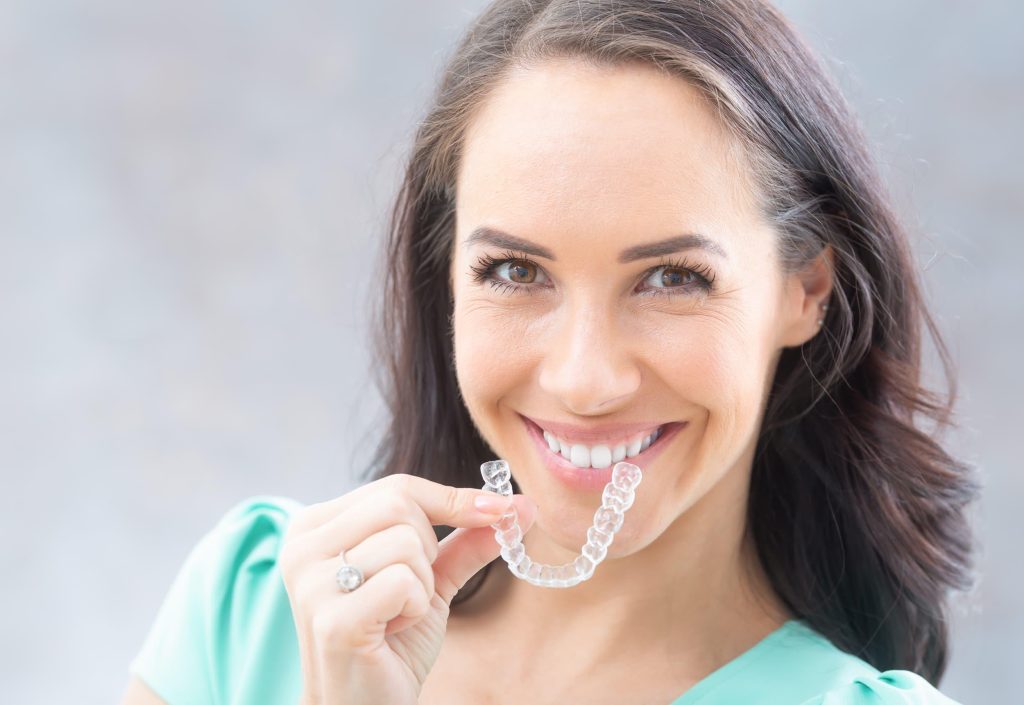
Many adults look in the mirror and wonder whether they missed their opportunity to have straighter teeth. Perhaps braces were not affordable during childhood, orthodontic treatment was never recommended, or teeth gradually shifted after earlier treatment. Whatever the reason, adults often assume that orthodontics is mainly for teenagers.
The good news is that there is no standard age limit for straightening healthy teeth. Adults in their 30s, 40s, 50s, and beyond may be candidates for Invisalign treatment. As long as your teeth, gums, and supporting bone are healthy enough for orthodontic movement, clear aligners may help improve your smile and bite without the appearance of traditional metal braces.
For patients considering Invisalign for adults in Omak, WA, the first step is a personalized dental evaluation. At Robeck Dental, treatment recommendations are based on your oral health, alignment concerns, lifestyle, and long-term dental goals. Invisalign is not the right solution for every patient, but many adults are surprised to learn what modern clear aligner treatment can accomplish.
Why More Adults Are Choosing to Straighten Their Teeth
Adults seek orthodontic treatment for many different reasons. Some want to feel more confident when smiling in photographs, speaking at work, or meeting new people. Others are concerned about crowding, uneven spacing, or a bite that makes chewing uncomfortable. In many cases, the decision involves both health and esthetics.
Teeth can continue to shift throughout adulthood. Even patients who had braces as teenagers may notice movement if they stopped wearing their retainers. Crowding may become more visible over time, especially among the lower front teeth. Tooth loss, gum changes, grinding, and natural aging may also affect the way the teeth fit together.
For adults, orthodontic treatment is often about more than achieving a straighter-looking smile. Proper alignment may make teeth easier to brush and floss, reduce areas where food becomes trapped, and create a more balanced bite. Treatment may also help prepare the mouth for restorative procedures such as crowns, bridges, implants, or veneers.
Adults throughout Omak and nearby Okanogan County communities may prefer clear aligners because they fit more easily into professional, social, and family routines. The trays are discreet, removable, and generally require fewer lifestyle changes than conventional braces.
Is There an Age Limit for Invisalign?
There is no specific maximum age for Invisalign. The more important consideration is the health of your mouth.
Orthodontic treatment works by applying controlled pressure that gradually moves teeth through the supporting bone. This biological process can occur in both younger and older patients. Adult treatment may sometimes progress differently because the jaw has finished growing and the bone may respond more slowly, but age alone does not automatically prevent successful treatment.
Before recommending Invisalign, your dentist will evaluate the condition of your teeth, gums, roots, and jawbone. Active gum disease, untreated cavities, significant bone loss, or unstable dental restorations may need attention before orthodontic movement begins.
Some adults believe that having crowns, fillings, bridges, or dental implants makes them ineligible for Invisalign. That is not necessarily true. Clear aligner treatment can often be planned around existing dental work. However, implants do not move like natural teeth, and bridges may limit how certain teeth can be repositioned. Careful treatment planning is essential in these situations.
The central question is not, “Am I too old?” It is, “Is my mouth healthy enough for treatment, and can Invisalign predictably address my concerns?”
How Invisalign Works for Adult Patients
Invisalign treatment uses a customized series of clear plastic aligners to move teeth gradually. Each aligner is designed to guide specific teeth through a planned stage of movement.
The process begins with a comprehensive examination. Digital scans, photographs, and dental X-rays may be used to assess tooth position, bite relationships, root health, and supporting bone. These records help determine whether clear aligners are appropriate and allow the treatment plan to be mapped digitally.
Once the aligners are created, you typically wear each set for a prescribed period before moving to the next one. The trays must usually be worn for approximately 20 to 22 hours each day. They are removed for eating, drinking beverages other than water, brushing, and flossing.
Small tooth-colored attachments may be placed on certain teeth. These attachments give the aligners additional grip and help produce movements that would be difficult with smooth trays alone. Depending on the case, other techniques may be used to create space or improve how the upper and lower teeth fit together.
You will attend periodic visits so your progress can be evaluated. Treatment time varies based on the complexity of the case, the movements required, and how consistently the aligners are worn.
What Dental Problems Can Invisalign Treat?
Clear aligner technology has advanced significantly. Invisalign may be used to treat many common alignment and bite concerns, including crowded teeth, unwanted spaces, rotated teeth, mild to moderate overbites, underbites, crossbites, and open bites.
Adults with mild relapse after earlier braces may have relatively straightforward treatment. Other patients may need more extensive correction involving multiple areas of the mouth.
It is important not to assume that clear aligners can correct every orthodontic problem. Severe bite discrepancies, significant jaw-position concerns, highly complex tooth movements, and certain impacted teeth may respond better to braces or specialist orthodontic care.
A consultation allows the dentist to evaluate the full picture rather than focusing only on the teeth that appear crooked. Your bite, gum health, jaw function, roots, existing restorations, and future dental needs all influence the recommendation.
Patients researching clear aligners in north central Washington should look for an evaluation that considers both the appearance of the smile and the functional relationship between the teeth.
Invisalign vs. Braces for Okanogan County Adults
When comparing Invisalign vs. braces in Okanogan County, there is no single option that is best for every adult. Both treatments can be effective, but each has different advantages and responsibilities.
Traditional braces use brackets attached to the teeth and wires that apply steady pressure. Because braces remain in place throughout treatment, they do not depend on the patient remembering to wear them. They can also provide precise control for complex movements and may be recommended for more significant orthodontic problems.
Invisalign aligners are removable and less noticeable. Adults often appreciate being able to take the trays out for meals, important photographs, presentations, or special occasions. There are no brackets or wires, which means there are generally fewer restrictions on what you may eat.
Oral hygiene may also be simpler with Invisalign because the trays can be removed for brushing and flossing. With braces, patients must clean carefully around brackets and beneath wires.
However, removable aligners require discipline. Leaving the trays out for extended periods can delay progress or prevent teeth from tracking according to plan. Patients who are unlikely to wear aligners consistently may achieve more predictable results with fixed braces.
Braces may be more visible and can cause irritation while the mouth adjusts. Invisalign trays are more discreet, although attachments may still be noticeable at close range. Aligners can also cause temporary pressure, tenderness, or changes in speech during the adjustment period.
The best choice depends on the complexity of the case, your priorities, your ability to follow instructions, and the treatment approach most likely to create a healthy result.
Benefits of Invisalign for Busy Adults
One of the most appealing features of Invisalign is its flexibility. Adults often balance work, family responsibilities, social events, and community commitments. Clear aligners can fit into these routines with relatively little disruption.
Because the aligners are transparent, many people will not immediately notice that you are undergoing orthodontic treatment. This can be especially valuable for adults who regularly interact with clients, patients, customers, or coworkers.
The trays are removable, so you can continue enjoying your usual foods. Popcorn, nuts, apples, and other foods that may damage braces can generally remain part of your diet as long as you remove the aligners before eating and clean your teeth before putting them back in.
Clear aligners also make it easier to maintain your regular brushing and flossing routine. This is particularly important for adults who already have fillings, crowns, gum recession, or a history of periodontal concerns.
Digital treatment planning can help patients understand the intended direction of tooth movement before treatment begins. Although every case responds differently and the preview is not a guarantee, it can make the process easier to visualize.
What Adults Should Know Before Starting Invisalign
Invisalign can be convenient, but it is not passive treatment. The trays only work while they are being worn.
Adults must commit to wearing their aligners for the recommended number of hours each day. Frequently removing the trays for coffee, snacks, meetings, or social activities can reduce wear time more than expected. Consistency is one of the most important factors in achieving the planned result.
You should remove the aligners before eating. Drinking water while wearing them is generally acceptable, but sugary, acidic, or strongly colored drinks can become trapped against the teeth or stain the trays. Hot beverages may also distort the aligner material.
After meals, brushing is ideal before reinserting the trays. When brushing is not immediately possible, rinsing your mouth and cleaning the aligners can help until you can brush properly.
New aligners may feel tight or cause temporary soreness. This pressure usually reflects that the trays are beginning the next stage of tooth movement. Most patients find that discomfort improves after the first few days of each new set.
You may also notice a slight speech change when treatment begins. Reading aloud or speaking regularly with the trays in place often helps the tongue adjust.
Aligners must be stored in their case when they are not being worn. Wrapping them in a napkin can lead to accidental disposal, and leaving them exposed increases the risk of damage or loss.
How Long Does Adult Invisalign Treatment Take?
The length of treatment varies significantly. Minor spacing or mild relapse may require several months, while more involved crowding or bite correction may take a year or longer.
Several factors influence the timeline, including the number of teeth being moved, the distance they must travel, the complexity of the bite, the health of the supporting tissues, and daily aligner wear.
Some patients need refinement aligners after completing the initial series. Refinements are additional trays designed to improve teeth that have not moved exactly as anticipated or to fine-tune the final result. Needing refinements does not necessarily mean treatment has failed. They are a common part of customized aligner care.
Missing appointments, losing trays, moving to the next set too early, or failing to wear aligners consistently may extend treatment. Following instructions and attending scheduled evaluations can help keep progress on track.
A personalized evaluation at Robeck Dental provides a more meaningful estimate than a general timeline found online.
Will Invisalign Affect Your Work or Social Life?
Most adults are able to continue their usual activities during Invisalign treatment. The aligners are designed to fit closely over the teeth and are typically subtle in everyday conversation.
There may be a short adjustment period when you first begin wearing the trays. Your speech may sound slightly different, and your teeth may feel tender when biting. These effects usually decrease as your mouth becomes accustomed to treatment.
For a presentation, professional photograph, or special event, the aligners can be removed briefly. However, they should be returned as soon as possible so you maintain the recommended daily wear time.
Adults who travel for work or live some distance from their dental office should discuss scheduling and aligner management in advance. Keeping the previous set of aligners, the current set, and the next set with you while traveling can be helpful in case a tray is lost or damaged.
Can Invisalign Improve Oral Health?
Straighter teeth can sometimes be easier to care for. Crowded or overlapping teeth may create narrow areas where plaque and food debris collect. These spaces can be difficult to reach with a toothbrush or floss.
Improving alignment may make daily hygiene more effective, but Invisalign itself does not eliminate the risk of cavities or gum disease. Oral hygiene remains essential throughout treatment.
Because aligners cover the teeth for most of the day, plaque, sugar, and acid can become trapped beneath them. Putting trays back in immediately after drinking soda, sweetened coffee, sports drinks, or juice may increase the amount of time the teeth are exposed to harmful substances.
Regular dental cleanings and examinations remain important. Adults with a history of gum disease may need more frequent periodontal monitoring while their teeth are being moved.
Orthodontic treatment may support oral health, but only when combined with good hygiene, professional care, and responsible aligner use.
What Happens After Invisalign Treatment?
Finishing the final aligner does not mean the orthodontic process is completely over. Teeth have a natural tendency to shift, especially during the months after active treatment.
Retainers help hold the teeth in their new positions while the surrounding bone and tissues adapt. Your dentist will recommend a retainer schedule based on your treatment and risk of relapse. Many patients begin with more frequent wear and eventually transition to nighttime use.
Long-term retainer wear is usually necessary to preserve the result. Adults who previously had braces and experienced shifting may already understand how quickly teeth can move when retainers are not worn.
Retainers also need cleaning and periodic replacement. Bringing your retainer to routine dental visits allows the dental team to evaluate its condition and fit.
Is Invisalign Only About Improving Your Smile?
A straighter smile is an important goal for many patients, but orthodontic treatment can also improve function.
Poor alignment may contribute to uneven tooth wear, difficulty cleaning, food trapping, or bite interference. In some cases, moving teeth into better positions can create space for implants or other restorative treatment.
However, Invisalign is not a universal solution for jaw pain, headaches, or temporomandibular joint concerns. These symptoms can have several causes and require a careful evaluation. Orthodontic treatment should not be presented as a guaranteed cure for every functional complaint.
At Robeck Dental, the goal is to evaluate how the teeth, gums, restorations, and bite work together. Treatment should support long-term oral health as well as smile esthetics.
How Much Does Invisalign for Adults Cost?
The cost of Invisalign varies because treatment is customized. A patient with minor tooth movement may have a different fee than someone requiring extensive bite correction and a longer series of aligners.
Cost may be influenced by the complexity of the case, expected treatment time, number of aligners, need for refinements, diagnostic records, follow-up care, and retainers. The total fee should be discussed clearly before treatment begins so you understand what is included.
Some dental insurance plans provide adult orthodontic benefits, although coverage and age restrictions vary. Flexible spending accounts and health savings accounts may also be available for eligible treatment expenses.
When comparing prices, consider the complete scope of care rather than focusing only on the advertised monthly payment. Proper diagnosis, ongoing supervision, refinement planning, and retention are all important parts of treatment.
The most accurate way to understand your cost is to schedule an Invisalign consultation and receive a treatment plan based on your needs.
Questions to Ask During an Invisalign Consultation
A consultation is an opportunity to understand both the possibilities and limitations of treatment. Consider asking whether Invisalign can address your specific bite, how long treatment is expected to take, how often appointments will be needed, and whether attachments or other procedures are anticipated.
You may also want to ask what happens if teeth do not track as planned, whether refinement aligners are included, what type of retainer will be recommended, and how existing crowns or implants may affect treatment.
Adults planning future dental work should mention it during the consultation. Orthodontic treatment may need to be coordinated with crowns, veneers, bridges, implants, periodontal therapy, or tooth replacement.
An honest discussion can help you set realistic expectations and make an informed decision.
Is Invisalign Worth It for Adults?
The value of Invisalign depends on your goals, oral health, and willingness to participate in treatment. For many adults, the ability to straighten teeth discreetly without brackets and wires makes treatment easier to accept.
A successful result may improve confidence, make oral hygiene more manageable, create a more balanced bite, and support future dental care. However, results depend on proper case selection, thoughtful planning, consistent aligner wear, and long-term retainer use.
Clear aligners should not be viewed as a quick cosmetic product ordered without professional oversight. Tooth movement affects the roots, bone, gums, and bite. A comprehensive dental evaluation is essential before beginning any orthodontic treatment.
Start Your Invisalign Conversation at Robeck Dental
It is not automatically too late to straighten your teeth. Healthy teeth can often be moved at many stages of adulthood, and clear aligners may provide a discreet option for patients who do not want traditional braces.
Whether you have dealt with crowded teeth for years, noticed shifting after previous orthodontic treatment, or simply feel ready to improve your smile, a consultation can help you understand your choices.
Robeck Dental serves adults in Omak and surrounding Okanogan County communities who are interested in modern, personalized dental care. During your visit, the dental team can evaluate your teeth and bite, discuss Invisalign vs. braces for Okanogan County patients, and determine whether clear aligner treatment is appropriate for you.
For adults exploring clear aligners in north central Washington, the right starting point is a professional assessment. Schedule a consultation with Robeck Dental to learn whether Invisalign for adults in Omak, WA can help you achieve a healthier, straighter, and more confident smile.